Winter Flu Season: What Parents Should Know to Protect Young Children
Summary/TLDR
High Risk for Young Children: Children under 5 (especially those under 2) are most vulnerable to flu complications like dehydration and breathing difficulties due to their smaller airways and developing immune systems.
Vaccination is Key: Annual flu shots are the most effective defense, as unvaccinated children are twice as likely to catch the virus compared to those who are vaccinated.
Winter Spread: The flu spreads rapidly in winter because families spend more time indoors, and children often shed the virus before they even show symptoms.
Prevention & Care: Protect your family through vaccination and good hygiene, and seek medical attention immediately if a child shows high fever, lethargy, or trouble breathing.
Trust Your Instincts: Because infants can’t communicate symptoms, parents are encouraged to seek a pediatric consultation whenever “something doesn’t feel right.”
As winter settles in, we naturally see more coughs, fevers, and runny noses. Flu is not rare during the winter months — it’s a virus that most families will encounter at some point. For parents of young children, this season often brings questions and concerns about what’s normal, and when extra care is needed. Understanding who is most vulnerable helps parents make informed decisions about keeping their children safe.
How common is the flu in kids?
Influenza is common in children. Each year, about 1 in 10 children develops symptomatic flu, and during winter months it accounts for nearly 10% of pediatric hospitalizations in the United States.
Children who are not vaccinated are about twice as likely to get the flu compared with vaccinated children. While no vaccine is perfect, vaccination meaningfully lowers the risk of infection and severe illness.
Which children need the most protection?
While flu can affect children of all ages, young children are at higher risk for complications, especially:
- Children under 5 years old
- Infants and toddlers under 2 years old
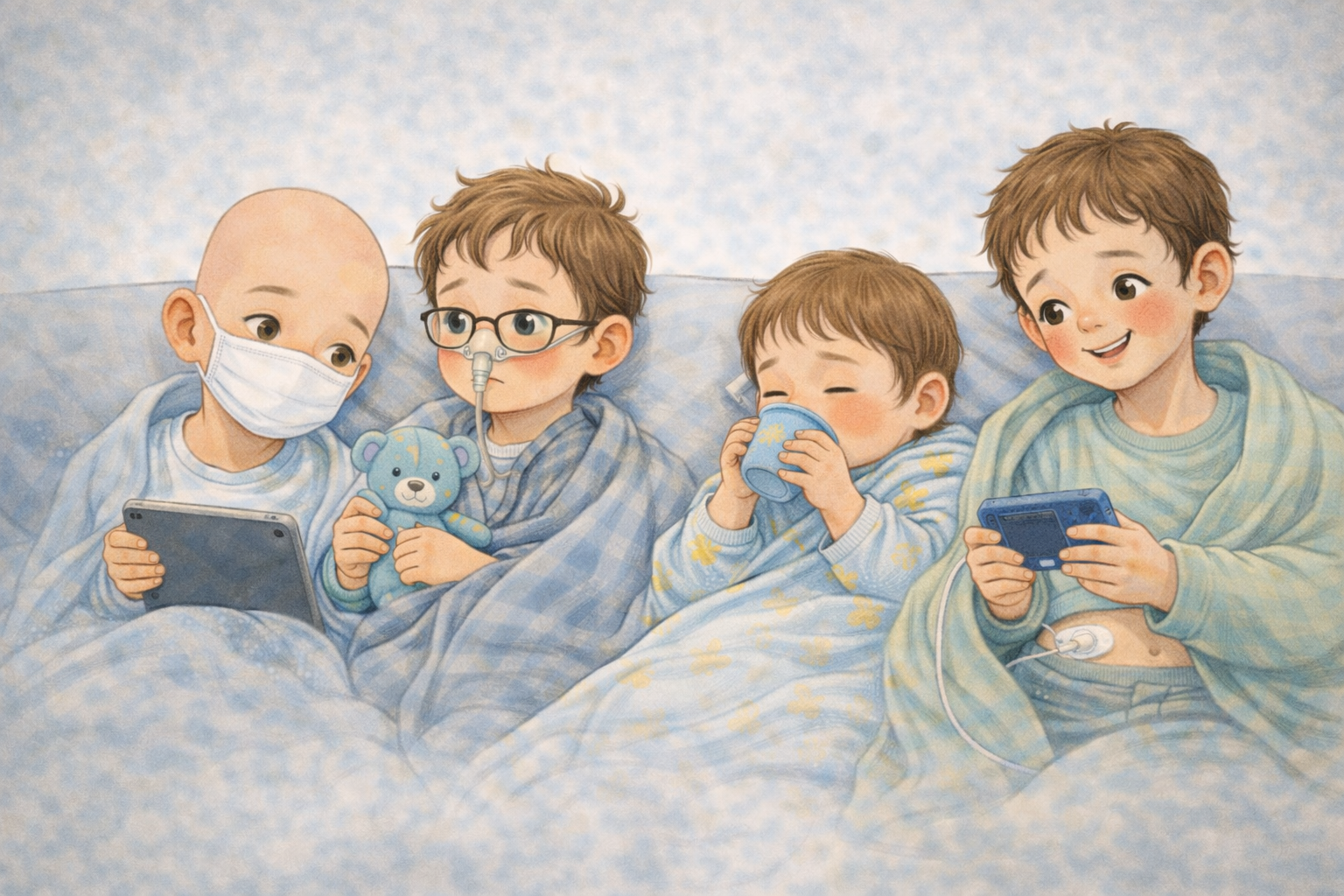
- Children with underlying medical conditions
This increased risk isn’t accidental. Young children have smaller airways, less mature immune systems, and fewer reserves when illness hits. That’s why they are more likely to become dehydrated, develop breathing difficulties, or require hospitalization.
Globally, influenza leads to close to one million hospitalizations each year in children under 5 — a reminder that this is not just a local issue, but a worldwide one.
Why winter increases risk
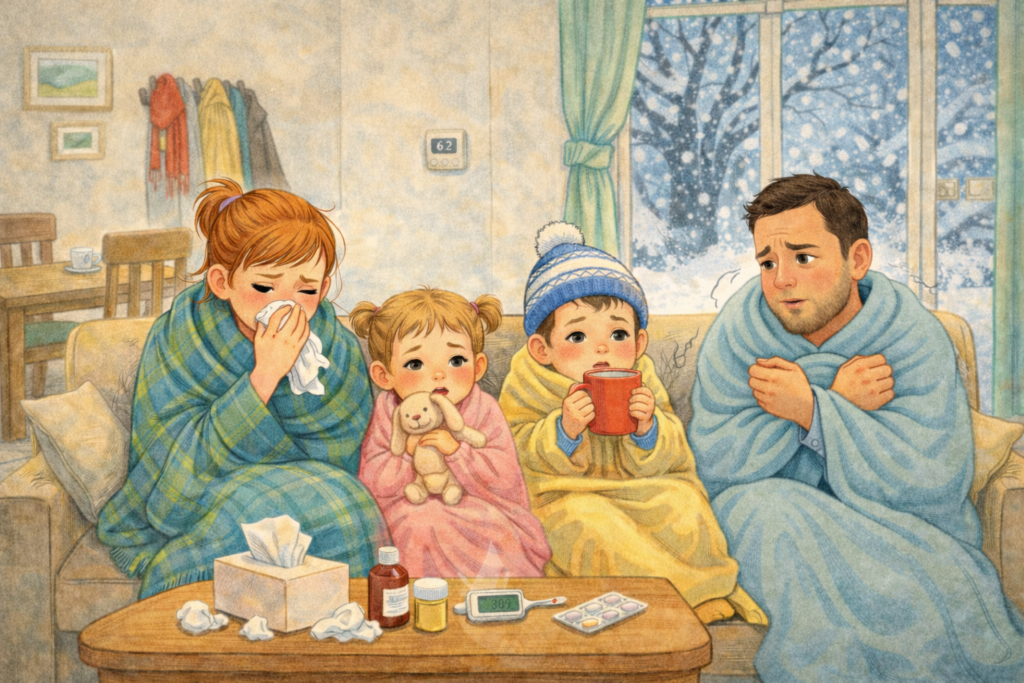
During colder months, people spend more time indoors and children are in closer contact with one another. These factors make it easier for the flu to spread quickly through families and communities.
Even before symptoms are obvious, children can spread flu to siblings, parents, or grandparents at home.
Why does flu feel “worse” some years?
Flu seasons vary year to year. Some seasons are milder, while others are more severe, depending on which strains are circulating and how well the vaccine matches them. Unfortunately, we can’t reliably predict how severe a given season will be ahead of time.
That uncertainty is exactly why prevention matters — especially for our youngest patients.
How can we protect small children?
The most important steps families can take include:
- Annual flu vaccination for all eligible children and caregivers
- Good hand hygiene and respiratory etiquette
- Keeping sick children home to limit spread
- Early evaluation for young children who develop high fever, breathing difficulty, poor feeding, or lethargy
Especially for infants and toddlers who can’t clearly express symptoms, parents’ instincts matter. If something doesn’t feel right, it’s always appropriate to have your child evaluated.
The Bottom Line
Winter brings an increase in respiratory illnesses, and influenza remains one of the most common viruses affecting children. While many children recover without complications, babies and young children, especially those under 2 are more vulnerable — making prevention and early care especially important.
Vaccination, awareness, and early care go a long way toward keeping kids safe and families healthy through flu season. If you ever have questions about flu symptoms, prevention, or treatment, we’re here to help.
If you have questions about flu symptoms, prevention, or whether your child should be seen, our team is here to help. You’re welcome to contact us to schedule a consultation and speak with one of our pediatricians.